
To handle wild animals in Denver, conduct regular inspections and seal entry points like gaps around pipes, vents, wires, broken windows/doors, attics, crawl spaces, and basements using materials like steel wool or caulk. For complex areas, consider professional Wildlife Control services. This proactive approach prevents animal intrusion while preserving local species and adhering to regulations.
Navigating the challenge of coexisting with urban wildlife? Denver residents often encounter unexpected visitors. This guide arms you with knowledge on how to handle wild animals in Denver through understanding effective wildlife control exclusion techniques and identifying common entry points. Learn essential sealing strategies tailored for your home or business, ensuring a safe, harmonious environment free from unwanted critters.
- Understanding Wildlife Control Exclusion Techniques
- Identifying Common Denver Animal Entry Points
- Effective Sealing Strategies for Your Home or Business
Understanding Wildlife Control Exclusion Techniques

Wildlife control exclusion and sealing is a specialized service that involves preventing wild animals from entering or remaining in structures, such as homes and businesses, in urban areas like Denver. Understanding these techniques is key to effectively managing and mitigating potential wildlife conflicts. One of the primary methods used by experts is exclusion, which entails blocking entry points and sealing off vulnerable areas to deter animals from gaining access. This process requires meticulous inspection to identify all possible routes of entry, including small cracks and openings.
Once identified, these entry points are sealed using appropriate materials like steel wool, metal flashing, or mesh screens, ensuring the structure is animal-proof. How to Handle Wild Animals in Denver involves a strategic approach that combines these exclusion techniques with humane trapping and removal methods, all while adhering to local regulations and environmental guidelines. By employing these practices, professionals can protect both structures and wildlife, preventing destructive behaviors like gnawing, nesting, or scavenging without causing harm to the animals.
Identifying Common Denver Animal Entry Points
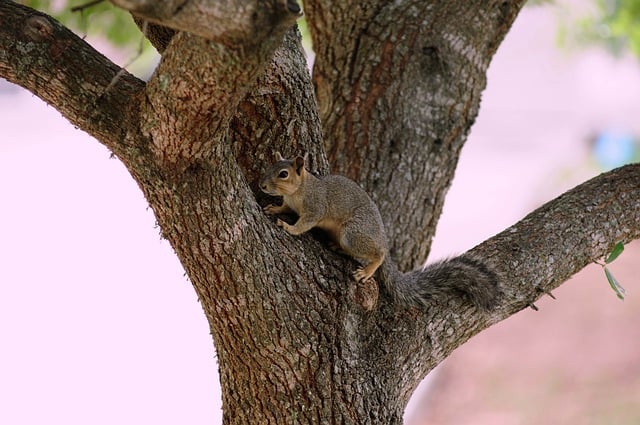
Wild animals can find their way into homes and buildings through various entry points, making it crucial for Denver residents to understand these common routes. As part of effective wildlife control and exclusion strategies, identifying these entry points is the first step in How to Handle Wild Animals in Denver. Common areas include gaps around pipes, vents, and wires that enter structures, as well as broken windows or doors. Attics, crawl spaces, and basements are also frequent access points due to their proximity to outdoor habitats and potential food sources.
Homeowners should conduct regular inspections to locate and seal these entry points using appropriate materials like steel wool, caulk, or mesh. This proactive measure significantly reduces the risk of animal intrusion, ensuring a safer and more secure living environment in Denver.
Effective Sealing Strategies for Your Home or Business

Effective sealing strategies are crucial for preventing wildlife intrusion, especially in areas like Denver where diverse wild animals roam. To ensure your home or business remains animal-free, focus on sealing entry points both visible and hidden. Start by conducting a thorough inspection, identifying potential access points such as gaps in walls, roofs, vents, and chimneys. Seal these openings using appropriate materials like metal, concrete, or specialized foam to close off any pathways.
For more complex areas like attics and crawl spaces, consider professional wildlife control services for accurate exclusion and sealing methods. How to Handle Wild Animals in Denver involves understanding the behaviors and needs of local species, ensuring your home is securely protected year-round.
When it comes to dealing with wild animals in Denver, understanding effective wildlife control exclusion and sealing techniques is crucial. By identifying common entry points and implementing robust sealing strategies, you can create a secure barrier against unwanted visitors. Remember, preventing animal intrusion is often the best approach for maintaining a safe and comfortable living or working environment. With these expert tips on how to handle wild animals in Denver, you're well-equipped to protect your space and enjoy peace of mind.