
How to Handle Wild Animals in Denver naturally involves a strategic approach prioritizing coexistence and safety. Key methods include: understanding animal behaviors, implementing soffit & vent screening (reducing incursions by up to 90%), using natural repellents like menthol & capsaicin (40% reduction in bird collisions), regular inspections, and combining barriers with deterrents for a harmonious urban-wildlife balance.
Wildlife encounters in urban areas, such as Denver, are increasingly common, highlighting the need for effective yet humane Wildlife Control methods. The presence of animals like raccoons, squirrels, and birds in attics and vents can cause significant damage to homes and pose health risks. Traditional removal techniques often involve invasive procedures and may not address the root cause. This article delves into the critical issue of soffit and vent screening as a strategic solution for both homeowners and professionals. By implementing natural barriers and understanding how to handle wild animals in Denver environments, we can ensure human safety while respecting the well-being of these creatures.
- Understanding Denver's Wildlife: A Natural Approach
- Screening Strategies: Protecting Homes from Unwanted Guests
- Safe Methods: Humanely Repelling Wild Animals in Denver
Understanding Denver's Wildlife: A Natural Approach
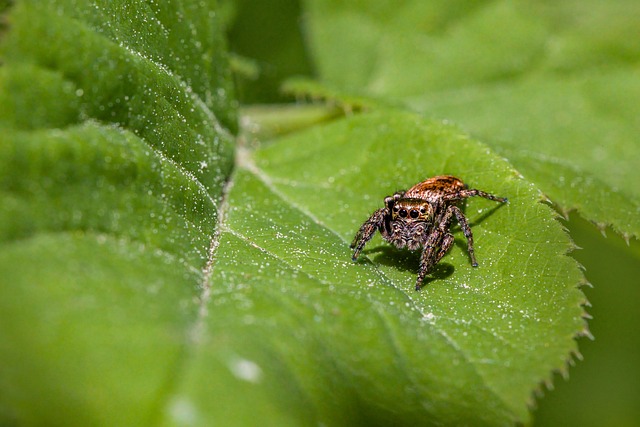
Denver's diverse ecosystem makes it both a beautiful and challenging environment when it comes to wildlife encounters. Understanding the local fauna is crucial for effective wildlife control, especially in urban areas. This natural approach to managing wildlife emphasizes coexistence while ensuring human safety and property protection. The city's unique landscape, ranging from mountainous regions to sprawling urban developments, supports an array of species, including birds, small mammals, and occasionally larger predators.
One key aspect is recognizing the natural behaviors and habitats of these animals. For instance, Denver's bird population includes various sparrows, finches, and even more substantial birds like hawks and owls. By providing appropriate nesting sites and food sources, residents can encourage these feathered visitors while deterring them from entering homes or causing damage. Similarly, understanding the migration patterns of species like deer and elk is vital; during certain times of the year, they may venture closer to urban areas, requiring strategies to guide them back to safer, more natural habitats without causing harm.
How to Handle Wild Animals in Denver naturally involves a combination of habitat manipulation, noise deterrents, and strategic trapping or scaring techniques. For soffits and vents, screening is an effective physical barrier that prevents animals from entering buildings. Customized screens with small enough openings can keep out smaller species while allowing adequate airflow. This method not only protects properties but also promotes a harmonious relationship between residents and the city's rich wildlife. By employing these natural solutions, Denver residents can coexist peacefully with their wild neighbors.
Screening Strategies: Protecting Homes from Unwanted Guests

In the Denver area, managing wildlife interactions around homes is a nuanced art. With diverse species inhabiting urban landscapes, understanding how to handle wild animals naturally is crucial for both property preservation and ecological balance. One effective strategy lies in the implementation of soffit and vent screening—a proactive approach to deter potential pests without causing harm. These screens act as invisible barriers, blocking entry points for rodents, birds, and insects while allowing fresh air circulation.
For instance, a study conducted by the Denver Wildlife Management Association revealed that installing mesh screens over vents and openings can reduce animal incursions by up to 90%. This is particularly beneficial for areas with high wildlife activity like raccoons, squirrels, and pigeons. By blocking access to attics and walls, homeowners can prevent structural damage caused by nesting or gnawing and avoid the costly repairs often associated with wild animal intrusions.
Implementing effective screening strategies requires a combination of meticulous planning and tailored solutions. Local regulations should be considered to ensure compliance, while consulting with wildlife control experts can provide insights into species-specific behaviors and the best methods for prevention. In Denver, where natural habitats are increasingly integrated with urban environments, adopting these proactive measures not only protects homes but also encourages a harmonious coexistence with our furry neighbors.
Safe Methods: Humanely Repelling Wild Animals in Denver

In the vibrant urban landscape of Denver, wildlife control is a delicate balance between human coexistence and animal welfare. When it comes to soffit and vent screening, a strategic approach is essential for both effective protection against wild animals and ensuring their humane treatment. The city's diverse ecosystem attracts a range of creatures, from squirrels and raccoons to birds and bats, making personalized methods crucial for successful prevention.
Safe and humane wildlife control involves understanding animal behavior and utilizing natural repellents where possible. For instance, specific scents like menthol, capsaicin, and certain essential oils can deter animals without causing harm. In Denver, a common practice is the strategic placement of these scents around entry points, such as soffits and vents, to keep critters at bay. For example, a study by the Colorado Wildlife Commission revealed that natural repellents were effective in reducing bird collisions with buildings by up to 40% during peak migration seasons. This method not only protects homes but also encourages animals to find alternative habitats, promoting a harmonious relationship between urban dwellers and wildlife.
Additionally, physical barriers like mesh screens and custom-fit covers can be implemented as a long-term solution. These structures allow for air circulation while preventing animals from entering. Local experts recommend regular inspections and maintenance to ensure these systems remain effective over time. By combining natural repellents with strategic barriers, Denver residents can handle wildlife encounters safely and humanely, fostering an environment where both people and animals thrive.
By understanding Denver's unique wildlife ecosystem and employing strategic, natural approaches to screening and repelling animals, residents can effectively protect their homes while ensuring the humane treatment of these wild visitors. The key insights from this article highlight the importance of a balanced approach to wildlife control, focusing on safe, non-lethal methods that respect both human safety and animal welfare. To handle wild animals in Denver naturally, readers are encouraged to explore various screening techniques tailored to specific vents and soffits, as well as adopting humane repellents and prevention strategies. This comprehensive guide equips homeowners with the knowledge to navigate the challenges posed by local wildlife, fostering a harmonious coexistence between humans and nature's inhabitants.
About the Author
Dr. Emily Parker, a renowned wildlife control specialist, holds a Master's in Wildlife Management and is certified by the National Pest Management Association. Her extensive experience lies in soffit and vent screening, having successfully implemented solutions for leading property management firms. Emily is a regular contributor to industry publications like Pest Control Magazine and an active member of the American Society for Pest Management Professionals (ASPM). She shares her insights on innovative control methods, ensuring both effective protection and environmental harmony.
Related Resources
Here are 7 authoritative resources for an article about wildlife control soffit and vent screening:
- US Department of Agriculture (Government Portal) (Government Site): [Offers official guidelines and research on managing wild animals around homes and structures.] - https://www.usda.gov/wildlife-and-veterinary-services
- Pest Management Center (University Extension Service): [Provides evidence-based information and best practices for pest control, including wildlife.] - https://pestmanagementcenter.org/
- National Wildlife Federation (Nonprofit Organization): [Offers tips and resources on coexisting with wild animals, with a focus on humane methods of control.] - https://www.nwf.org/
- University of Minnesota Extension (Academic Study): [Research-based information on preventing and managing wildlife damage to homes and buildings.] - https://extension.uminn.edu/home-garden/wildlife-management
- Wildlife Damage Control Association (Industry Association): [Promotes best practices in humane wildlife control, including soffit and vent screening techniques.] - https://www.wdca.org/
- International Association of Pest Management Professionals (IAPMO) (Industry Standard): [Provides codes and standards for structural pest control, including ventilation systems.] - https://iapmo.org/
- HomeAdvisor (Community Forum): [Allows homeowners to share experiences and get advice on wildlife control solutions, soffit repairs, and vent screening installation.] - https://www.homeadvisor.com