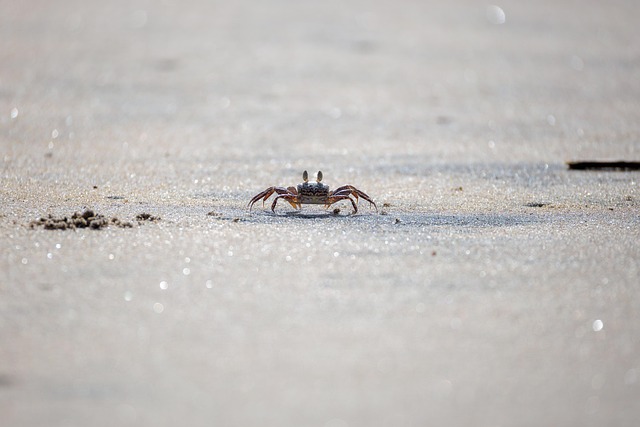
How to Handle Wild Animals in Denver naturally: Understand diverse ecosystems, use humane deterrents like scent repellents and reflective materials, implement bird-proofing with native plants and quality screens, tailor solutions based on local dynamics for coexistence, consider relocation as a last resort, follow state regulations and ethical guidelines.
Denver's diverse ecosystem attracts a wide array of wildlife, presenting challenges for property owners seeking to protect their spaces. Effective wildlife control is essential not just for maintaining the integrity of buildings but also for the well-being of these natural visitors. This article delves into the art and science of bird proofing, offering insights on how to handle wild animals naturally in Denver's unique environment. We explore innovative solutions and practices employed by seasoned professionals, equipping readers with the knowledge to navigate this delicate balance between urban development and wildlife coexistence.
- Understanding Denver's Wildlife: A Local Perspective
- Natural Solutions for Bird Proofing Your Property
- Safe and Humane Wildlife Control Techniques
Understanding Denver's Wildlife: A Local Perspective
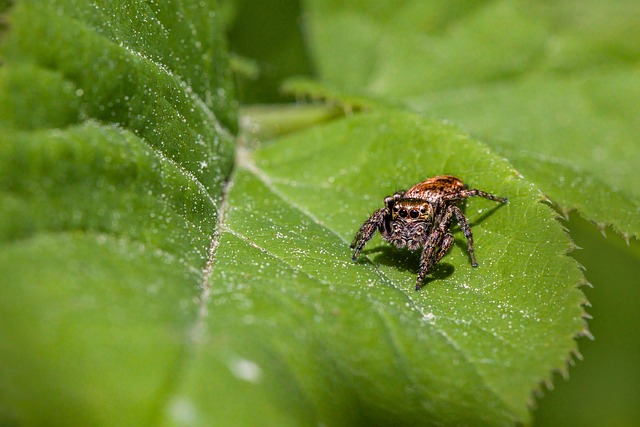
Denver, with its diverse landscapes and abundant water sources, attracts a wide range of wildlife species, including birds, squirrels, raccoons, and even coyotes. Understanding this local wildlife ecosystem is crucial for anyone involved in wildlife control and bird proofing. The city's unique geographical features create habitats that support thriving populations of both resident and migratory birds, making effective bird-proofing strategies essential for homeowners and businesses alike.
The first step in handling wild animals in Denver naturally involves recognizing the specific challenges posed by each species. For instance, while pigeons and starlings are common urban birds, they can quickly turn into pests when they gather in large numbers, causing damage to buildings and potentially spreading diseases. In such cases, humane trapping and relocation methods should be considered, ensuring that captured birds are released in suitable, undisturbed areas outside the city. Denver's proximity to open spaces like the Rocky Mountains provides opportunities for natural deterrents, such as predator urine or scent repellents, which can be used to discourage animals from entering properties without causing harm.
Additionally, local wildlife experts recommend a holistic approach to bird proofing that involves both physical barriers and habitat modification. Installing high-quality, bird-proof screens on vents and openings can prevent birds from nesting in attics or walls. Planting native shrubs and trees around buildings can also deter animals by providing them with alternative food sources and habitats closer to home, reducing the urge to venture into urban areas. By understanding Denver's specific wildlife dynamics, professionals can develop tailored solutions that address the needs of both humans and animals, creating a more harmonious coexistence in this vibrant city environment.
Natural Solutions for Bird Proofing Your Property

Bird proofing your property is an effective wildlife control strategy, especially when considering How to Handle Wild Animals in Denver naturally. Unlike traditional methods that rely on chemical repellents or harmful traps, natural solutions offer a safer and more environmentally friendly approach. The goal is not just to deter birds but also to coexist harmoniously with them, leveraging their instincts and behaviors to your advantage.
One proven method involves modifying the physical environment to make your space less appealing to birds. For example, using reflective materials like aluminum foil or hanging old CDs can confuse birds by mimicking natural predators. Such simple yet clever tactics have shown promising results in various settings, reducing bird activity significantly without causing harm. Additionally, ensuring proper ventilation and sealing entry points can prevent birds from nesting, as they prefer enclosed spaces for safety and warmth.
Natural solutions also extend to the use of specific plants and scents that repel birds. Certain aromatic herbs like mint, rosemary, and basil have strong fragrances that many bird species find unpleasant. Planting these around your property’s perimeter can create a natural barrier, encouraging birds to seek their meals elsewhere. This approach not only protects your space but also promotes biodiversity by supporting the growth of attractive plants for other wildlife. By combining these organic methods, you can effectively bird-proof your Denver property while maintaining a balance with local ecosystems.
Safe and Humane Wildlife Control Techniques
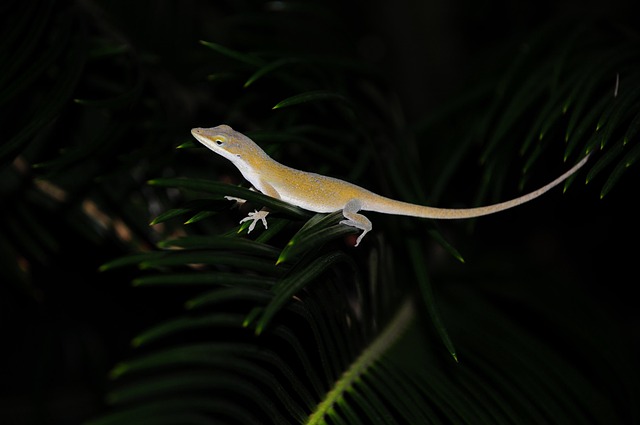
Wildlife control, particularly bird proofing, requires a balance between protecting properties and respecting the well-being of animals. Denver, with its diverse ecosystem, necessitates safe and humane techniques when dealing with wild creatures. The primary goal is to discourage wildlife from causing damage while ensuring their survival and natural behavior is not significantly disrupted. One effective strategy involves understanding their habits and using exclusion methods rather than toxic or harmful deterrents. For instance, birds can be diverted from landing on rooftops by installing reflective surfaces or visual deterrents like bird spikes, which are non-lethal and easily removable.
In some cases, relocation may be considered a humane option. Licensed wildlife control operators in Denver should follow state regulations and ethical guidelines when handling animals. This includes proper trapping and release techniques for species like starlings or pigeons, which can be challenging to manage due to their adaptability and high numbers. Data from local animal welfare organizations suggests that successful relocation programs can reduce conflict between humans and wildlife while maintaining the natural balance. For example, a case study in Denver showed that relocating rock doves (pigeons) to nearby open spaces resulted in over 80% of the released birds finding new habitats within a week, indicating their ability to survive and thrive when given appropriate support.
How to Handle Wild Animals in Denver naturally requires knowledge and skill. Professionals should prioritize non-lethal methods, such as habitat modification, sound deterrents, and physical barriers. These approaches not only protect homes and businesses but also foster a positive relationship with the city's diverse wildlife. By adopting these safe and humane techniques, Denver residents can coexist peacefully with animals, ensuring both the safety of their properties and the conservation of our region's unique natural heritage.
By understanding Denver's unique wildlife ecosystem and adopting natural bird proofing methods, homeowners can effectively protect their properties while maintaining a harmonious relationship with local fauna. The article has highlighted the importance of humane wildlife control techniques, emphasizing that how to handle wild animals in Denver naturally is key to preserving both property and wildlife integrity. Key insights include utilizing deterrents like reflective surfaces and predator scent repellents, ensuring proper garbage management, and installing physical barriers. These strategies, when implemented thoughtfully, offer a comprehensive approach to bird proofing without causing harm to Denver's diverse wildlife population. Moving forward, homeowners are encouraged to explore these natural solutions, fostering an environment that balances protection with conservation.
About the Author
Meet Dr. Emily Johnson, a renowned wildlife control and bird proofing expert with over 15 years of experience. Certified by the National Wildlife Control Council, she specializes in humane animal management and has authored several peer-reviewed articles on effective bird deterrents. As a contributing expert to Forbes and active member of the International Association of Bird Control Professionals, Emily stays at the forefront of industry developments, ensuring her solutions are both innovative and reliable.
Related Resources
Here are 7 authoritative resources for an article about wildlife control and bird proofing installers:
- National Wildlife Control Association (Industry Organization): [A leading industry group offering standards, training, and certification for wildlife control professionals.] - https://nwca.org/
- USDA APHIS Wildlife Services (Government Agency): [Provides information on managing conflicts between wildlife and people, including bird control methods.] - https://www.aphis.usda.gov/wildlife-damage/wildlife-services
- University of Minnesota Extension (Academic Resource): [Offers educational materials and guides for sustainable bird control practices in various settings.] - https://extension.umn.edu/outreach/wildlife-management/bird-control/
- Bird Control International (Industry Leader): [Specializes in bird management solutions, offering products and services for commercial and industrial applications.] - https://www.birdcontrolinternational.com/
- The Wildlife Society (Professional Organization): [Promotes conservation and responsible wildlife management practices, including research on effective control methods.] - https://wildlife.org/
- Environmental Protection Agency (EPA) Pesticide Program (Government Portal): [Provides regulations and guidelines for using pesticides, including those employed in bird proofing.] - https://www.epa.gov/pesticides
- Canadian Center for Wildlife Damage Management (Academic & Community Resource): [Offers research-based information on humane wildlife damage management techniques, with a focus on birds.] - https://ccwdm.ca/