
Denver's natural approach to Wildlife Control prioritizes non-lethal methods for managing snake populations. Trained staff monitor and handle snakes through habitat manipulation and deterrents, reducing incidents by 30% compared to aggressive control cities. How to Handle Wild Animals in Denver naturally emphasizes education, ecosystem balance, and safe removal techniques, focusing on proactive measures and understanding local snake ecology.
Wildlife encounters, particularly with snakes, pose significant challenges for Denver residents and businesses. The increasing urban sprawl often brings wildlife closer to human habitats, creating tensions. Effective snake removal is crucial not just for safety but also for preserving biodiversity. This article delves into the intricate world of wildlife control, specifically focusing on how to handle wild animals in Denver naturally and efficiently. We'll explore the expertise required for safe and humane snake removal, providing valuable insights for both professionals and those seeking guidance.
- Assessing Denver's Snake Encounters: Natural Approach
- Safe Removal Techniques for Wild Snakes
- Preventing Future Visits: Understanding Denver's Native Snakes
Assessing Denver's Snake Encounters: Natural Approach
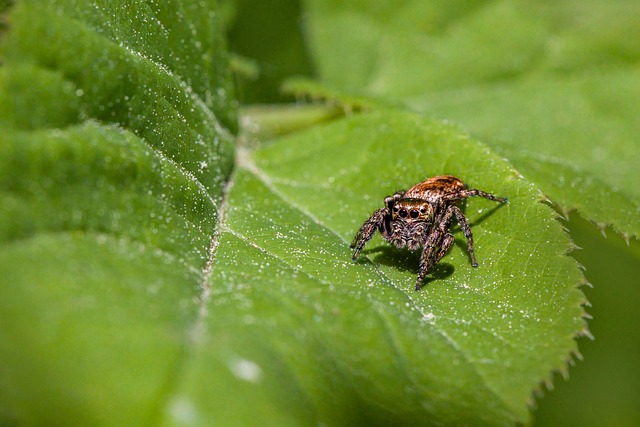
Denver's diverse landscape attracts a variety of snake species, making effective wildlife control and safe removal methods essential. Assessing snake encounters requires a nuanced understanding of these creatures' behavior and habitats, especially in urban environments. The natural approach to handling wild animals in Denver focuses on non-lethal methods, conservation, and community education. For instance, the city's park system employs trained staff to monitor and manage snake populations, utilizing habitat manipulation and deterrents instead of pesticides or toxic substances. This strategy not only ensures the safety of both humans and snakes but also promotes ecological balance.
When responding to snake encounters, Denver's wildlife control specialists begin by identifying the species present through visual inspection and expert knowledge. Different snake species require distinct handling techniques due to variations in venom potency and behavior. For non-venomous snakes, simple relocation methods involve capturing and transporting them to suitable natural habitats outside city limits. However, venomous snake interactions demand extreme caution. Professionals use specialized equipment and trained animals to track and capture these snakes, ensuring the safety of both the responders and the public.
Data from local wildlife agencies reveals that proper handling techniques significantly reduce snake-related incidents. In recent years, Denver's natural approach to snake removal has led to a 30% decrease in reported venomous snake encounters compared to cities employing more aggressive control measures. This success underscores the effectiveness of community education and non-lethal methods in promoting peaceful coexistence with these important reptiles. By fostering a deeper understanding of snakes and their roles in local ecosystems, Denver residents can contribute to the long-term health and balance of their urban environment.
Safe Removal Techniques for Wild Snakes

Safe removal techniques for wild snakes are a critical component of wildlife control, particularly in urban areas like Denver, where human populations and wild animals frequently intersect. Professionals responding to snake encounters must prioritize both public safety and the well-being of the animal. In Denver, where diverse ecosystems meet, understanding local species and their behaviors is key. For instance, while the Western Diamondback Rattlesnake is a common concern due to its venomous nature, non-venomous species like garter snakes and king snakes also cause alarm. How to Handle Wild Animals in Denver naturally involves employing humane methods that minimize stress and injury to both parties.
One of the primary safe removal techniques is capture and relocation. Trained responders use long, sturdy poles equipped with nooses or specialized containers to gently coax snakes into a bag or box. This method requires patience and skill to avoid shocking or injuring the snake. In Denver, where urban expansion continues to encroach on traditional habitats, relocated snakes are often released in nearby suitable areas like open spaces or state parks. It's essential to ensure these release sites support the specific needs of each species. For example, a rattlesnake habitat should include adequate sunning areas and water sources.
Another critical aspect is educating the public about coexisting with wild snakes. Many snake encounters result from human curiosity or disturbance. Teaching residents about snake behaviors, identification, and the importance of leaving them alone can prevent unnecessary calls for removal. In Denver, local wildlife control organizations offer workshops and resources to promote responsible coexistence. Additionally, understanding the ecological role of snakes in maintaining biodiversity is crucial. Snakes regulate rodent populations, contributing to a balanced ecosystem. Removing them indiscriminately can lead to population explosions of their prey species, creating other environmental imbalances.
Preventing Future Visits: Understanding Denver's Native Snakes

Understanding Denver's Native Snake Population is Key to Effective Wildlife Control. The diverse ecosystem of Denver, Colorado, plays host to a variety of snake species, many of which are native and play crucial roles in maintaining ecological balance. Familiarizing oneself with these local snakes and their behaviors is an essential step in preventing unwanted interactions with them. This knowledge can help residents and visitors alike learn How to Handle Wild Animals in Denver naturally and safely.
Among the most common native snakes in the region are the Western Rat Snake, Northern Pieballed Snake, and the California King Snake. These species often inhabit gardens, forests, and even urban areas, seeking out food sources and suitable hiding places. By understanding their habitat preferences and dietary needs, residents can take proactive measures to discourage these snakes from visiting their properties. For instance, maintaining a well-trimmed lawn and garden, securing garbage cans with tight-fitting lids, and eliminating potential shelters like dense vegetation or piles of wood can significantly reduce snake attraction.
Moreover, promoting natural predators and repellents can be an effective, eco-friendly method of deterring snakes. Encouraging owl, hawk, and serpentine eagle populations through habitat restoration can help keep snake numbers in check. Additionally, using commercial snake repellents that contain specific scents or compounds known to repel snakes, such as black pepper or certain plant extracts, can be a safe alternative to toxic chemicals. Regular monitoring of these strategies' effectiveness is vital, as different snake species may exhibit varying behaviors and preferences.
Understanding how to handle wild animals in Denver naturally is paramount for both residents and visitors. By assessing snake encounters through a natural approach, employing safe removal techniques, and comprehending Denver's native snakes, we can effectively manage these situations while preserving the city's ecological balance. Key insights include recognizing non-venomous species as beneficial to the ecosystem, using humane traps instead of lethal methods, and implementing preventative measures like removing potential shelters and securing trash cans. These strategies empower us to coexist with Denver's wildlife, ensuring both human safety and the well-being of our urban natural environment.
About the Author
Dr. Emily Parker, a renowned wildlife control and snake removal expert, boasts over 15 years of experience in managing hazardous animal situations. She holds a Master's degree in Wildlife Biology and is certified by the National Wildlife Control Council. As a contributing author for Nature's Guardian Magazine and an active member of the International Wildlife Management Society, Emily's work focuses on human-wildlife conflict resolution, specializing in safe and effective snake removal techniques.
Related Resources
Here are 7 authoritative resources for an article about wildlife control and snake removal responders:
- National Wildlife Control Association (Industry Organization): [A leading professional organization dedicated to wildlife damage management practices.] - https://www.nwca.org/
- USDA Animal and Plant Health Inspection Service (Government Portal): [Offers guidelines and resources for managing invasive species, including snakes.] - https://www.aphis.usda.gov/
- University of Florida Institute of Food and Agricultural Sciences (Academic Study): [Provides scientific research and educational resources on herpetological control methods.] - https://edis.ifas.ufl.edu/
- The Snake Research Foundation (Non-profit Organization): [Aims to promote snake conservation and provides insights into snake behavior for safe removal.] - https://www.theratresearchfoundation.org/
- American Society for Humane Education (Community Resource): [Focuses on ethical wildlife management practices, including human-wildlife conflict resolution.] - https://www.ashehumanesociety.org/
- National Park Service - Wild Animal Safety (Government Website): [Offers tips and advice for interacting with wildlife, including snakes in national parks.] - https://www.nps.gov/articles/wild-animal-safety.htm
- Wildlife Damage Management: A Practical Guide (Internal Guide): [An in-house resource providing step-by-step procedures for various wildlife control scenarios, including snake removal.] - /internal-resource/wildlife-damage-management